Beginners: Where a First-Time Cook Should Start
One first dish, the order to learn the rest, the points where a first attempt tends to go wrong, and the temperatures that make a batch safe to eat.
Start with one dish and keep it small
If you have never cooked these dishes, the quickest route is a dish with few parts. A quesadilla uses one tortilla, one filling, some cheese and a hot pan. There is no rolling, no frying and no oven, so the first attempt teaches you about heat and timing rather than technique.
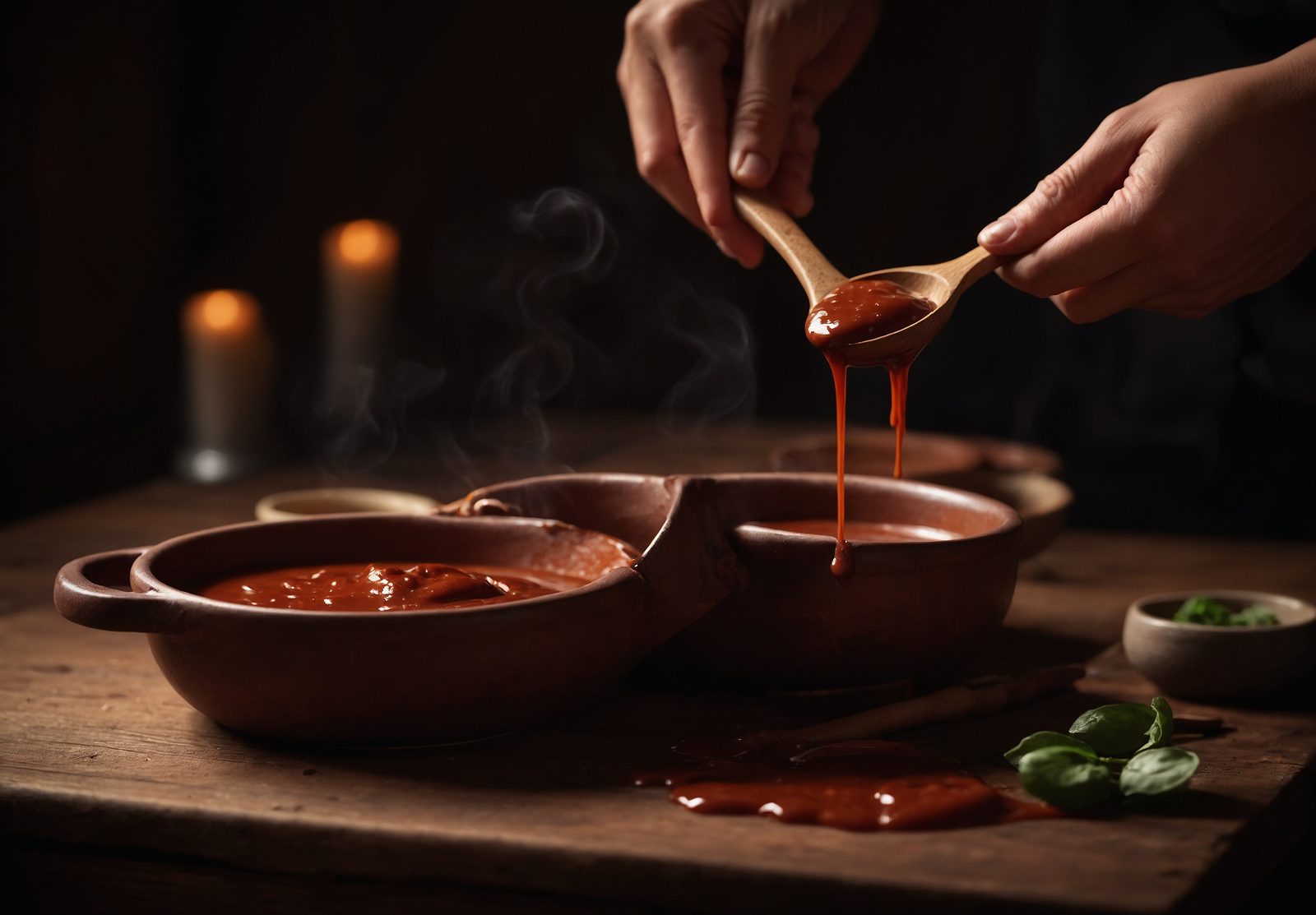
The order matters more than speed. After the quesadilla, learn tacos, then enchiladas, fajitas, burritos, chimichangas and, last, tres leches. Each step asks for one new thing: a seasoned filling and a salsa, then rolling and a red chile sauce, then a very hot pan, then a rolled burrito, then deep frying, and finally an oven and a soaking sponge. For why the dishes share their parts, the What We Cook page explains it, and this page does not repeat that argument.
Start with one dish you can finish in an evening, and let each later dish add a single new skill.
Where a first attempt goes wrong, and how to get past it
A quesadilla usually fails by burning on the outside while the middle stays cold. Cook it on medium rather than high, let the cheese melt slowly, and turn it once the bottom is golden and firm.
Taco meat turns dry or greasy when it is cooked too hard or drained too little. Brown it in one layer, pour off the excess fat, then add a splash of water and let it cook down until it clings to the meat.
Corn tortillas crack when they are rolled cold. Warm them until they bend without splitting, dip them in the sauce, and roll them while they are still soft.
Fajita meat goes tough in a crowded pan. Cook it hot and in batches so it sears rather than steams, then slice it across the grain after it has rested briefly.
Frying is the step a first attempt tends to rush. Heat the oil until a small piece of tortilla sizzles at once, and drain the chimichanga on paper towels. Too many pieces in the pan cool the oil and leave the shell soggy.
Tres leches stays dense when the sponge is still warm or the milk goes in too fast. Let the cake cool completely, pour the milk slowly, and give it time to soak before you cut it.
What a finished first plate looks like
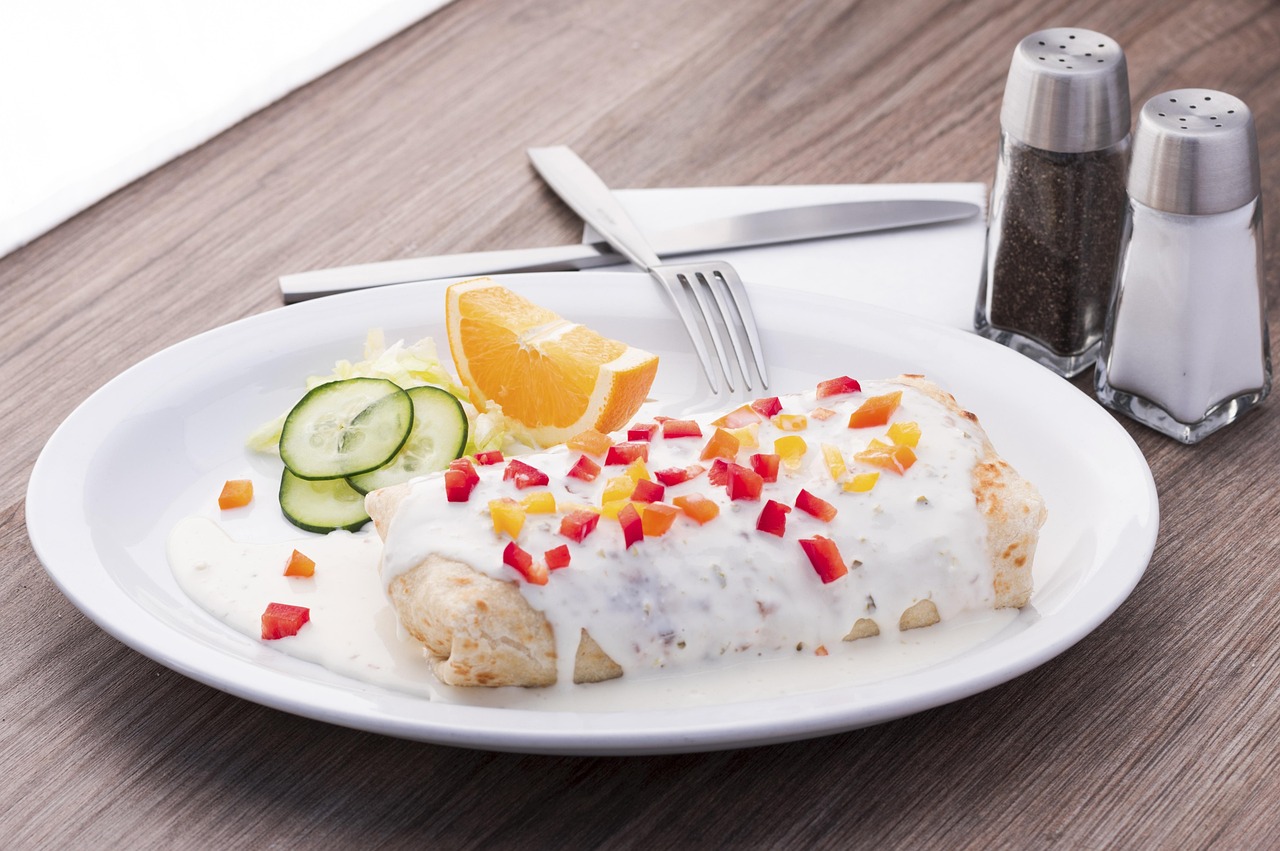

Numbers that change how a first batch goes
- 2 hours
- The longest that takeout and cooked leftovers should sit before they go into the refrigerator, according to the CDC's food poisoning prevention guidance.
- 1 hour
- The shorter window when food has been above 90°F, such as in a warm car on the way home, according to the same CDC guidance.
- 40°F
- The temperature a home refrigerator should be kept at or below, the storage point for takeout, leftovers, salsa and dairy such as crema and queso.
- 10
- The dishes this guide covers, counted from the list on the What We Cook page, so you know how far the set goes.
The temperatures a first batch has to reach
Keep this table open while you cook. Most targets are the inside temperature of the food; the rice row is a cooling target.
| Food | Target | Where it shows up |
|---|---|---|
| Ground beef or pork | 160°F inside | Taco meat, burger-style fillings and chorizo-type fillings |
| Poultry, including ground chicken or turkey | 165°F inside | Chicken fajitas, chicken in enchiladas and reheated leftovers |
| Fish with fins | 145°F, or flesh that is opaque and separates easily with a fork | Fish tacos |
| Casseroles and dishes containing eggs | 160°F inside | Chilaquiles and egg-based bakes |
| Cooked rice | Cool from 135°F to 70°F within 2 hours | The rice served beside most Mexican plates |
| Targets as the CDC and FDA pages list them, and the rice cooling target from NC State Extension. A thermometer reading is the surer check. | ||